From June 16 through 18, 2026, I spent three days at The Monument in Rapid City, South Dakota, for the national convention of R-CALF USA – the Ranchers-Cattlemen Action Legal Fund. This year’s theme was “Fire in the Brand,” and producers came from forty-three states to talk about the future of the independent cattle and sheep producer in America. I came to represent the John Birch Society, to stand with the men and women who feed this country, and to do the quiet, unglamorous work of citizenship that I believe God asks of every one of us.
A small confession, given the title. I came in a suit – and tennis shoes. I had left my dress shoes at home, and the boots I bought at last year’s R-CALF were black, the wrong color for a blue suit, so they never made the trip. It turns out the boots on the ground that matter most are not the ones on your feet.
Why I was there
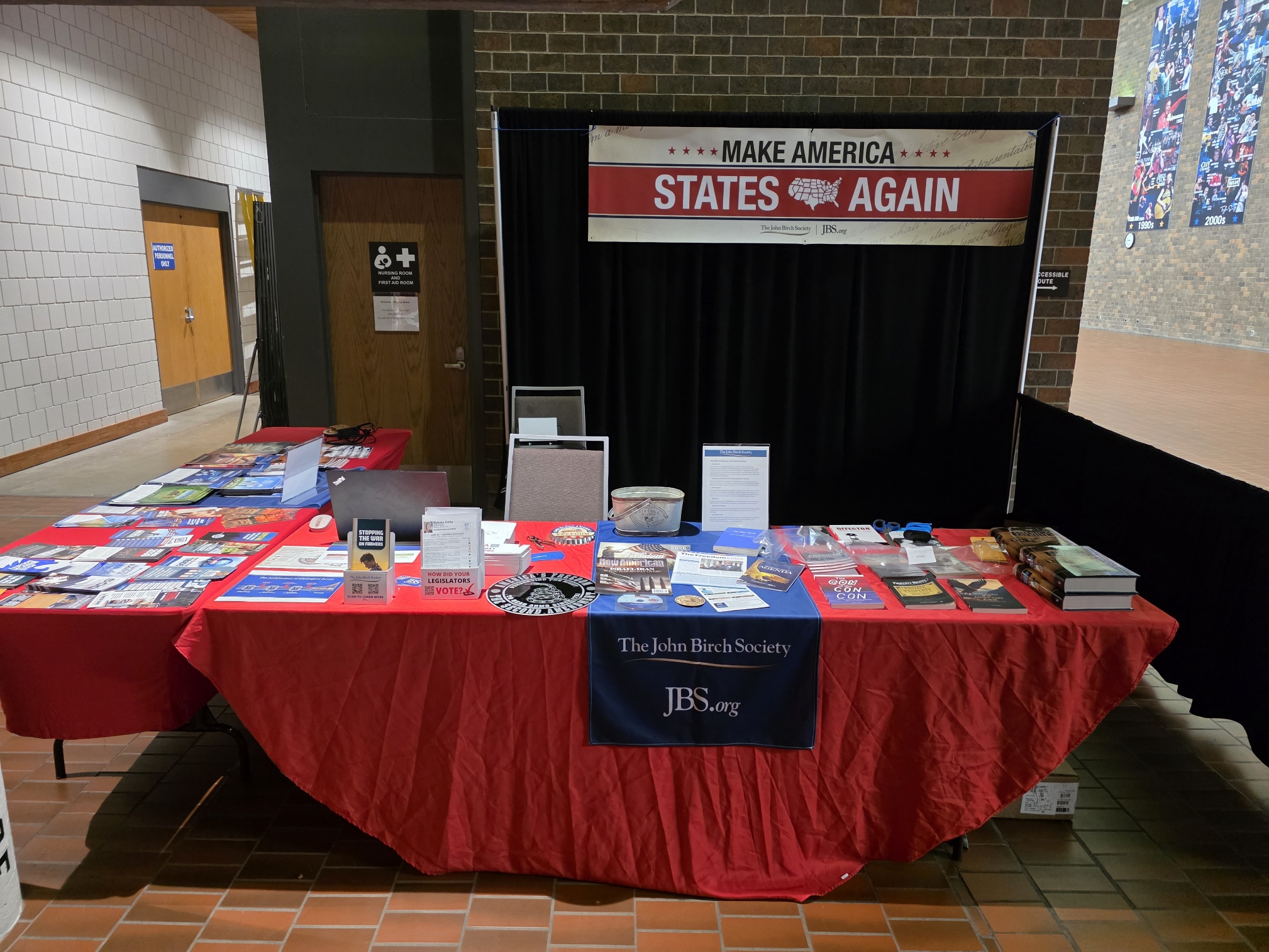
I am concerned about protecting our God-given rights and making sure our voice is heard in the halls of government – and about celebrating the western values and way of life that built this country. The John Birch Society booth was my post for the convention. I signed up new members, handed out literature, and told people the story of John Birch himself – the missionary and soldier the organization is named for.
What I shared at the booth
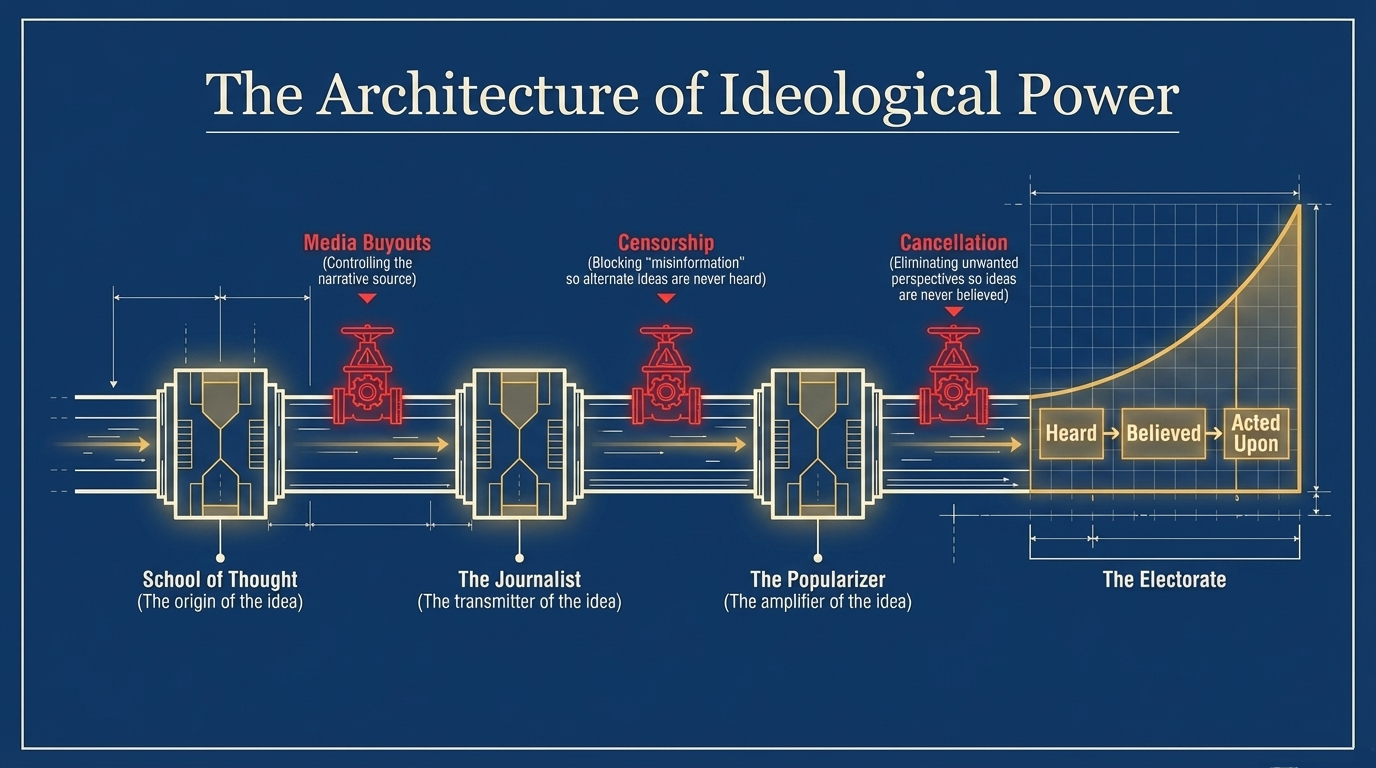
Most of my conversations came back to one question: how does political power actually work? Real power is not a mystery. An idea begins in a school of thought, gets carried by a journalist, and is spread by a popularizer – and only then do ordinary people hear it, believe it, and act on it. That last step – action – is where real power lives. When you understand that pipeline, you understand why so much money is spent buying media, censoring “misinformation,” and cancelling people: those are simply the valves used to choke the flow at each stage.
But here is the encouragement I kept returning to: you cannot be censored or cancelled when you talk to people face to face. Every one of us has been given a circle of relationships – a piece of ground God has placed in our care. The farmer doesn’t curse the soil he’s been given; he cultivates it. Our existing relationships are the land; the truth we share is the seed. The work is to build relationships, maintain them, and plant the truth in them.
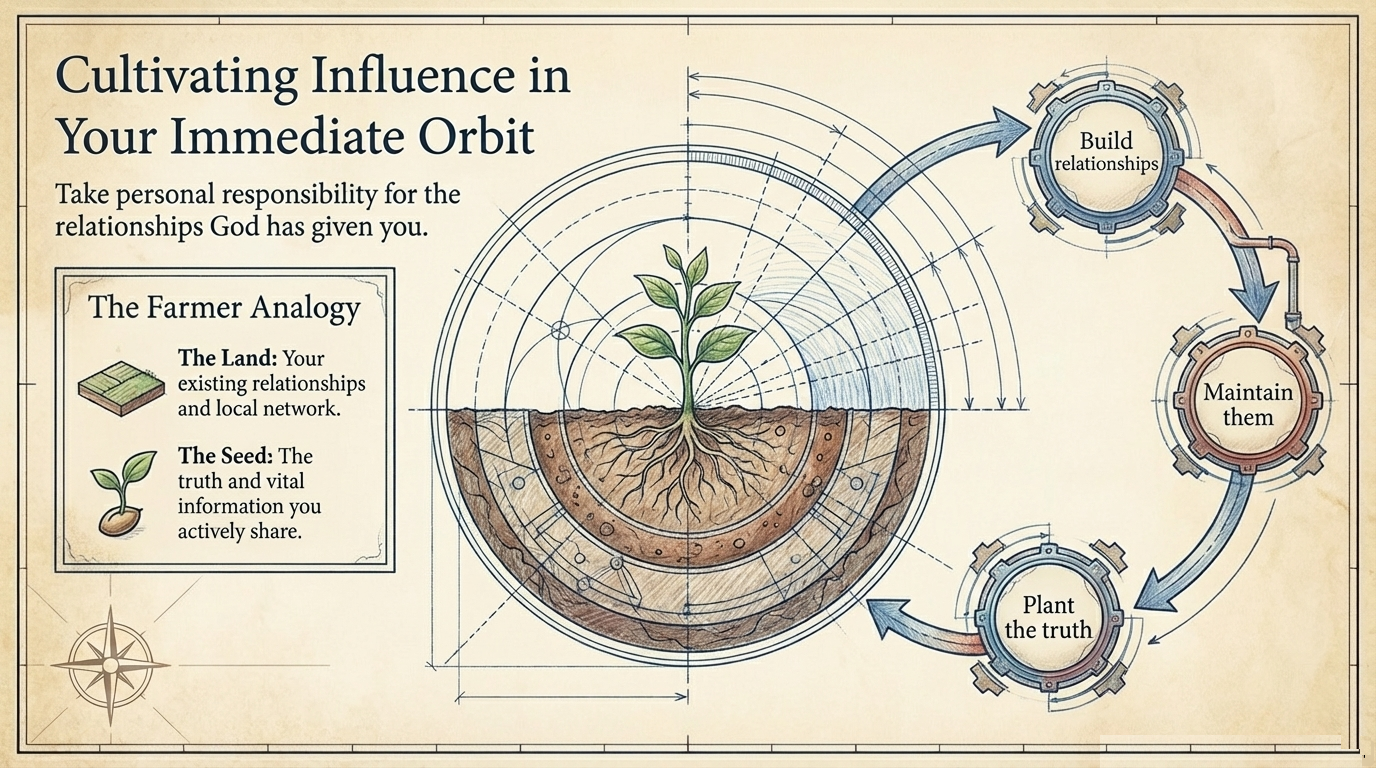
So I asked people to commit to a simple weekly rhythm: pray, share a resource, ask one person to join the work, and put a good resource in the hands of a community leader. Small, faithful, repeatable. That is how a culture actually turns.
The fight for the independent producer
The hard economics behind this convention is consolidation. A handful of giant meatpackers – companies like JBS – sit between the rancher and your dinner plate, and independent producers have watched their share of the beef dollar shrink for decades. This is not only a complaint; it is now a matter of federal record. The U.S. Department of Justice’s Antitrust Division has taken action against Agri Stats for facilitating the exchange of competitively sensitive information among the nation’s largest meat processors – exactly the kind of market behavior that squeezes the independent rancher.
I had the privilege of speaking with Nicole Sarrine, the Deputy Assistant Attorney General for Civil Conduct in the DOJ Antitrust Division, who addressed the convention directly. Our conversation ranged beyond cattle markets into something I care about deeply: privacy and the right of ordinary people to control what they own. We talked about the right to repair – the fact that people spend real money to buy products and are then told they may not fix or alter them – and about the right to control the software in the things we purchase. With in-home robots on the horizon, machines that will see and hear the most private moments of our lives, the question of who controls that software is not academic. It is the property-rights and privacy fight of the next decade.
The people I stood with
What makes a convention like this matter is the people. A few I was honored to spend time with:
Shad Sullivan, a fifth-generation Colorado rancher and R-CALF’s Property Rights Chair, served as our master of ceremonies. He is a tireless voice for producers in Washington and in the media.
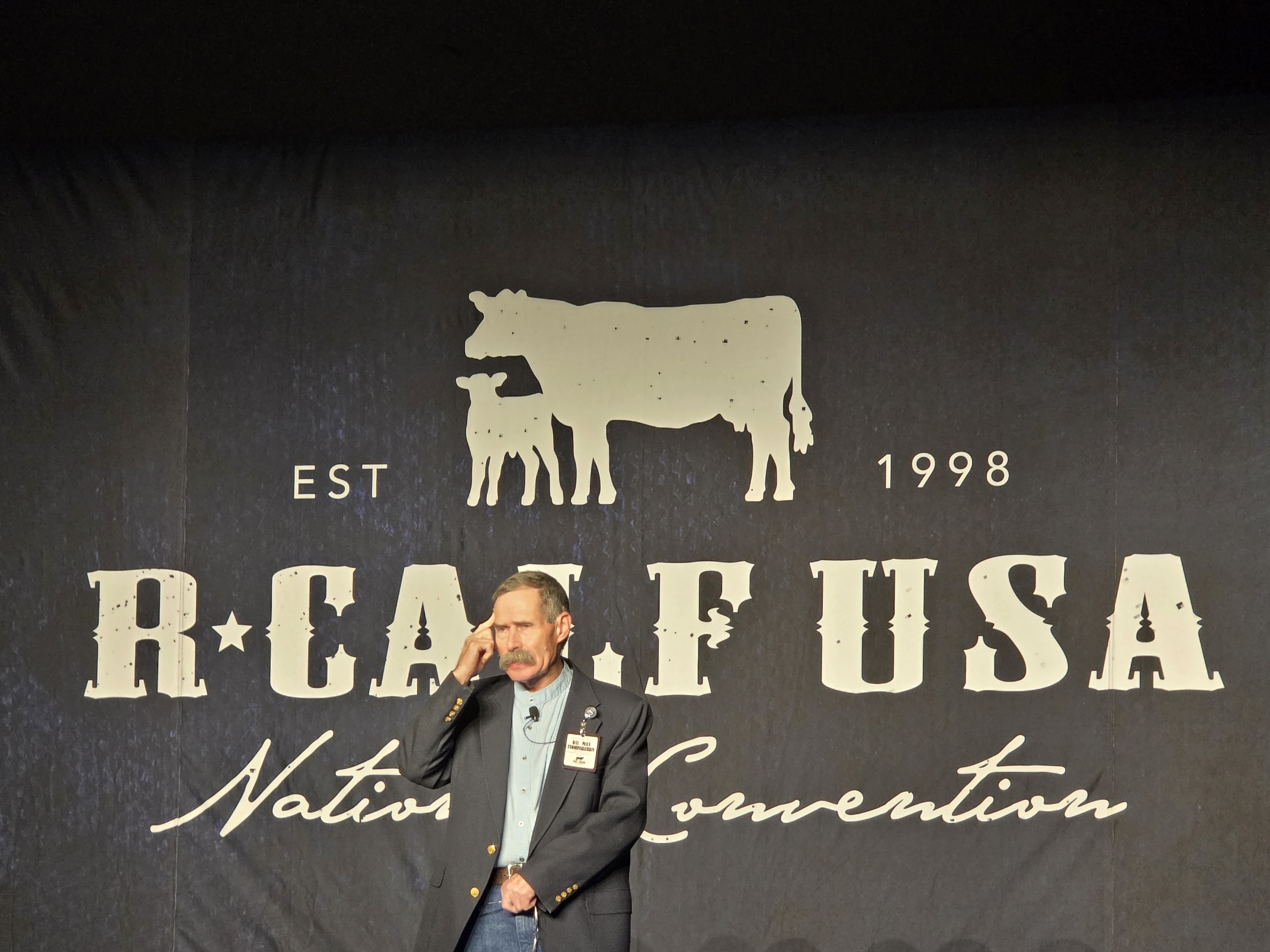
Dr. Max Thornsberry, a veterinarian of nearly five decades and a former R-CALF president, spoke at the prayer breakfast – a reminder that this work begins on its knees.
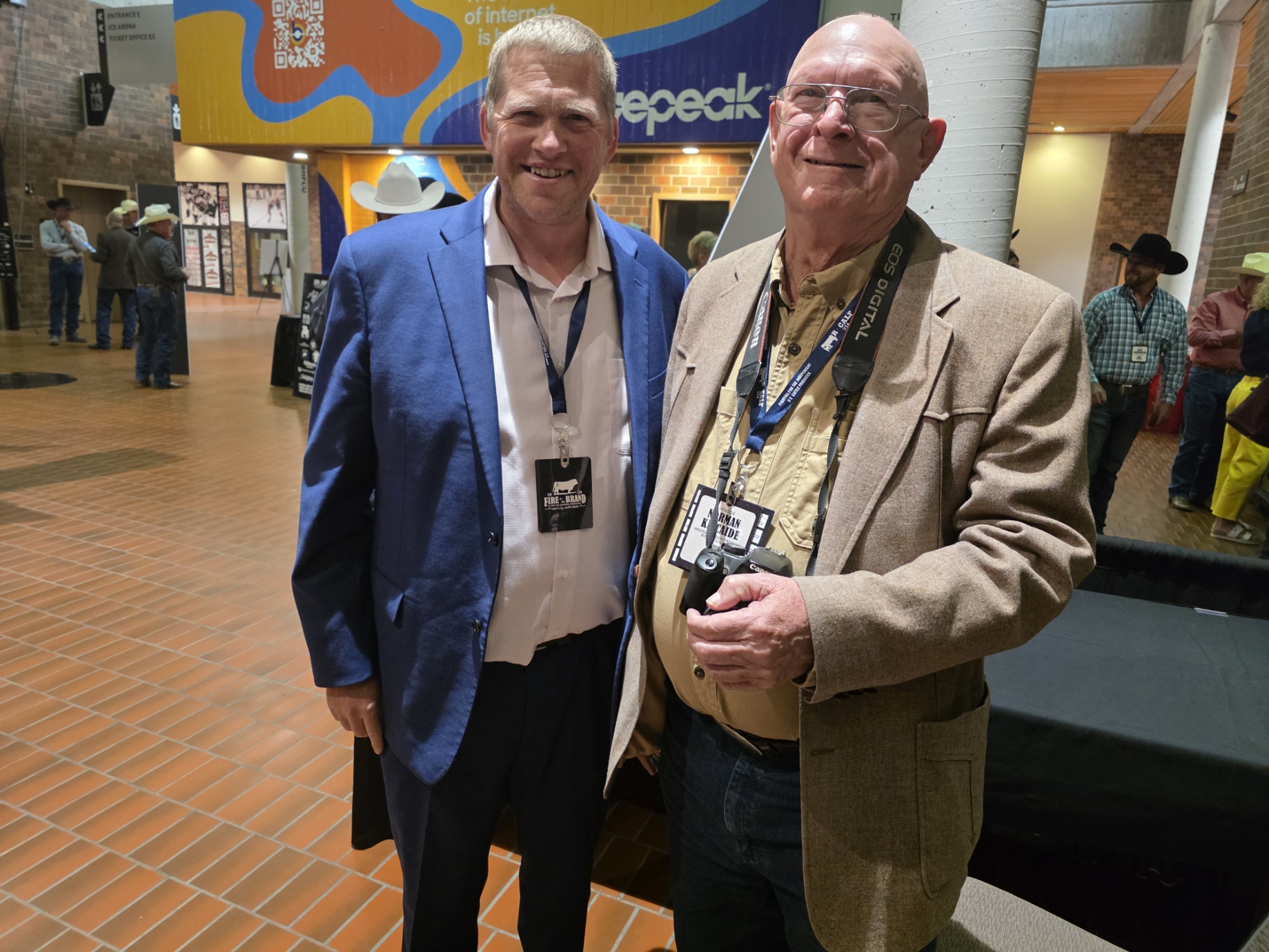
Norman Kincaide has spent years pushing back against efforts to lock up our federal lands and resources. I bought his books at last year’s convention, and this year he shared hard-won wisdom about staying focused on the goal – getting the work done – rather than getting distracted by self-interest or by simply venting frustration.
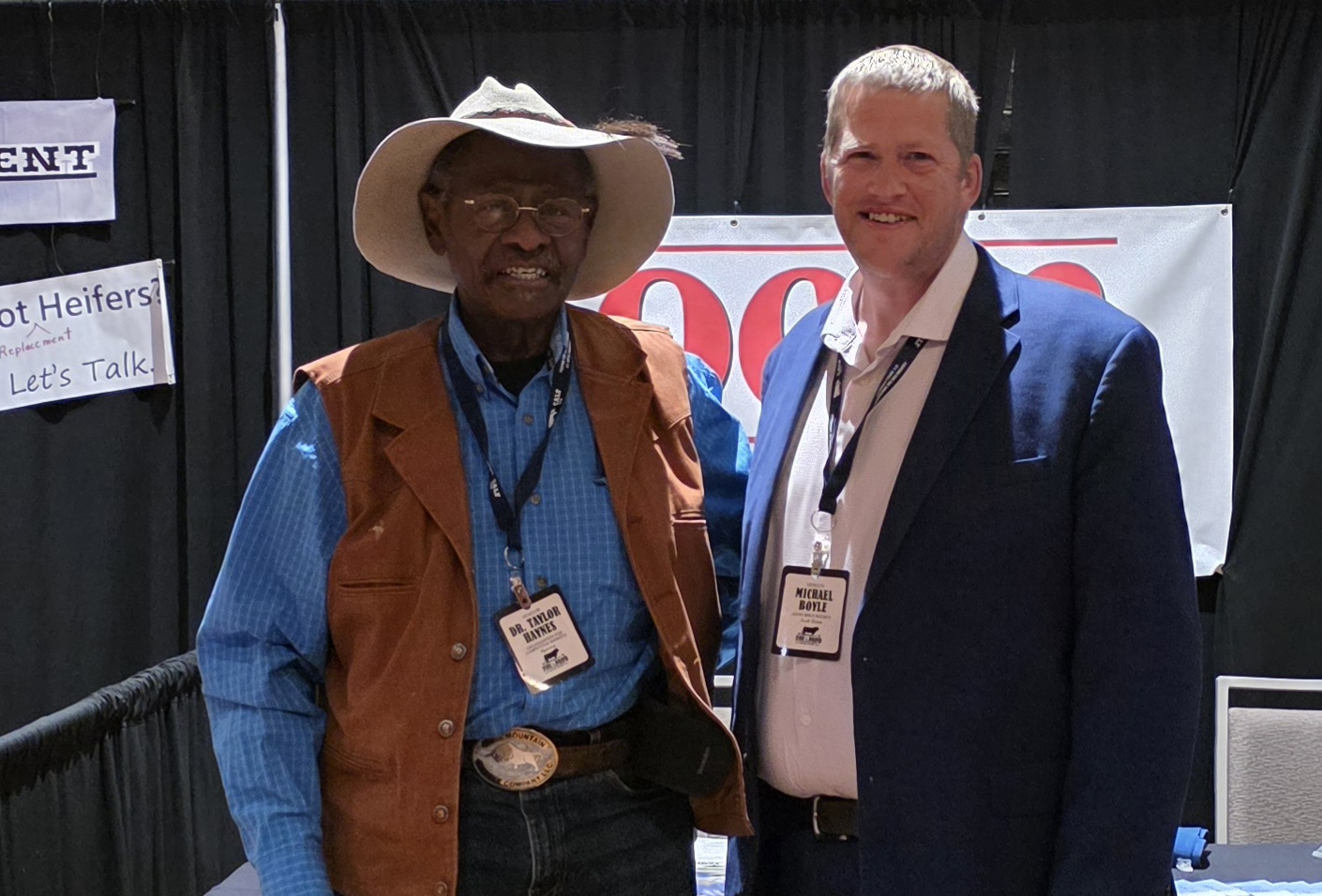
Dr. Taylor Haynes is one of the most inspiring men I met. A rancher and physician who has run for governor of Wyoming on a platform of the Constitution and Judeo-Christian values, he told me his story – from his early years, to a scholarship, to medicine, to public service – and we talked about what it will take to keep Wyoming and our nation free.
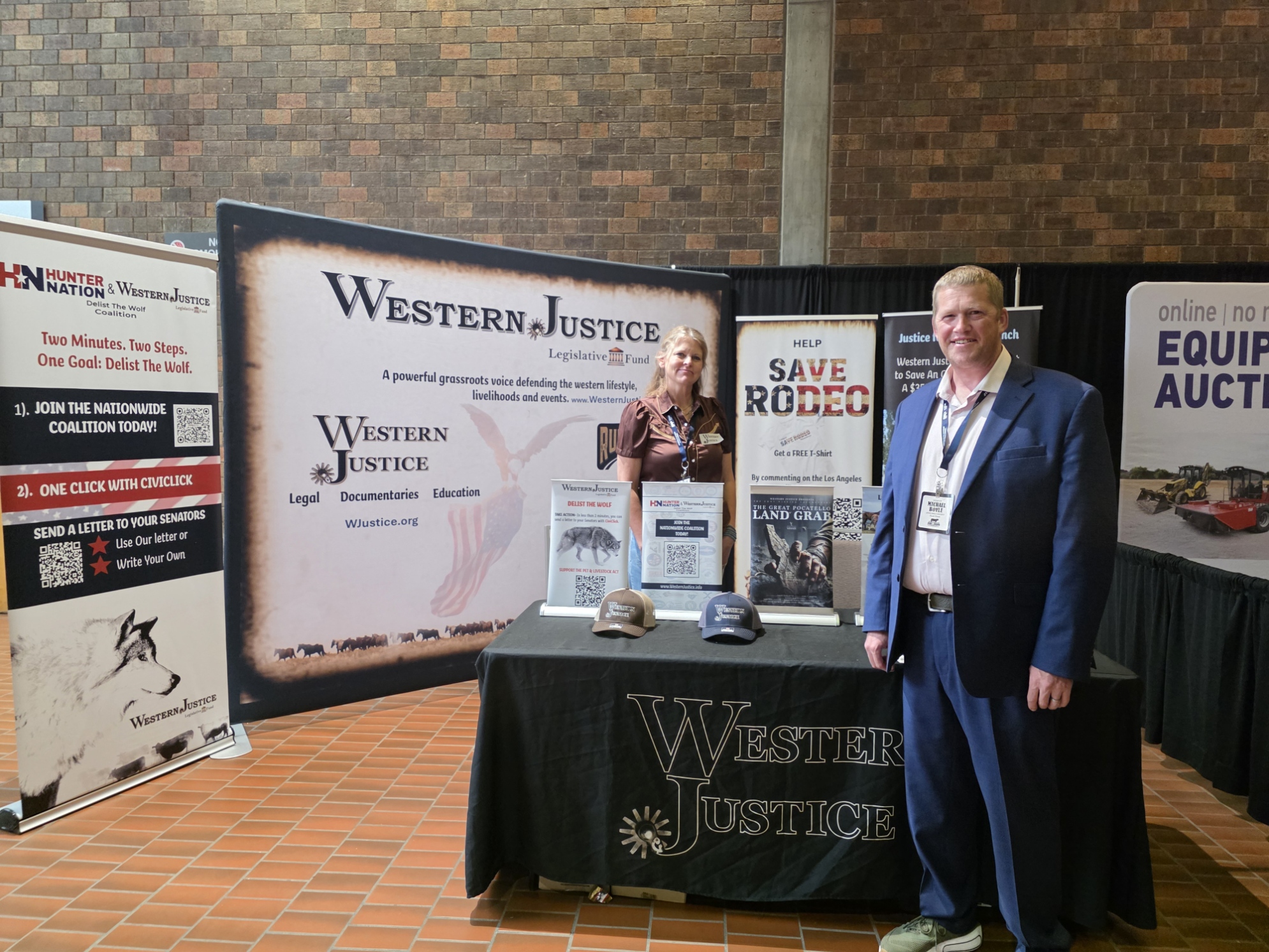
I also spent time with Western Justice, an organization that promotes the western way of life – they helped preserve rodeo against animal-rights extremists and are now working to delist the wolf and address other threats to ranchers.
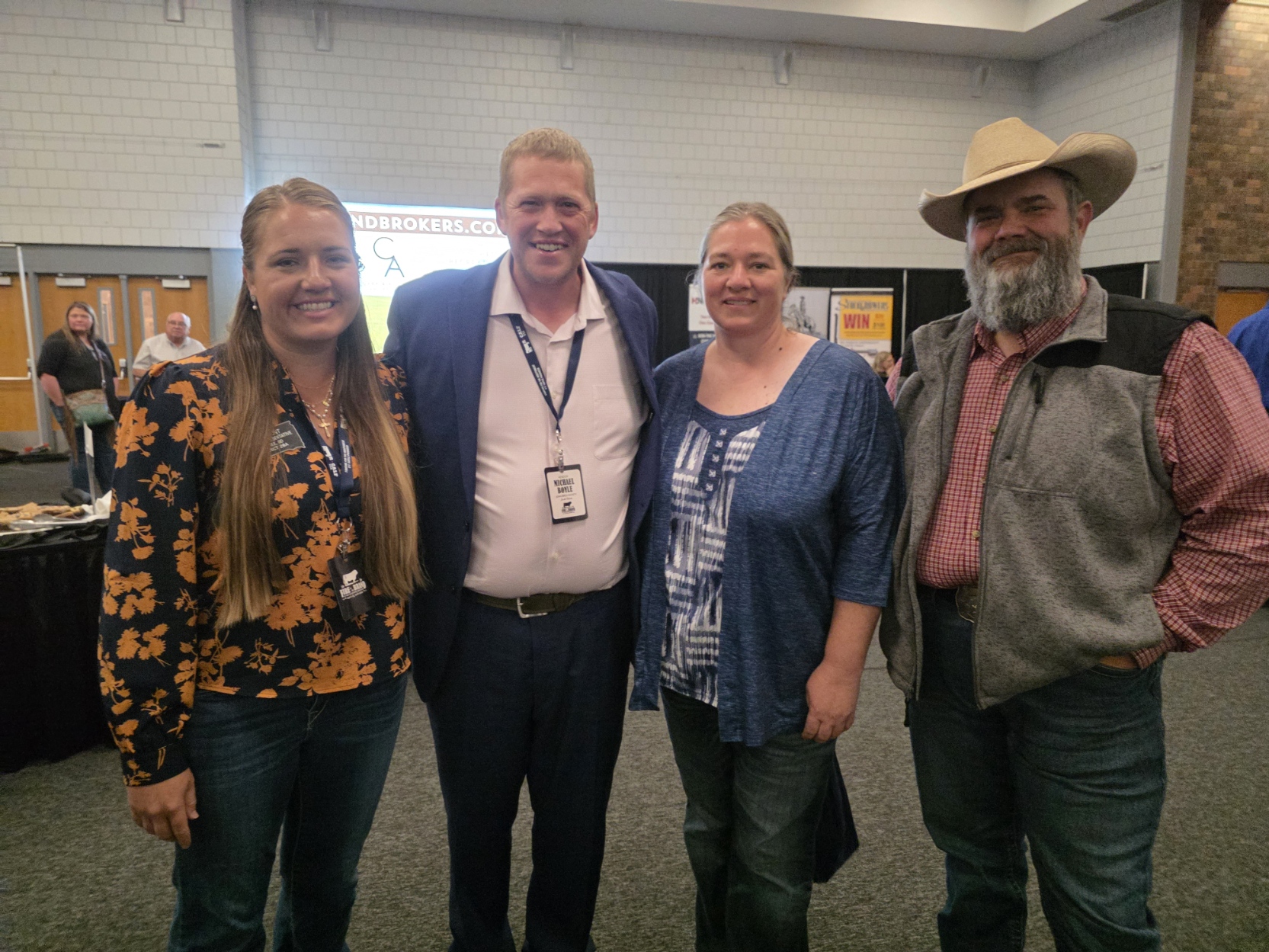
It was a gift to visit with local legislators who show up for producers: Rep. Travis Ismay (South Dakota House, District 28B) and his wife Dusta, and Rep. Jana Hunt (District 28A), who in her first session sponsored a bill to restrict public funding for lab-grown meat. I also visited with Rep. Julie Auch (District 18), who recently advanced in the primary for the Yankton County Commission.
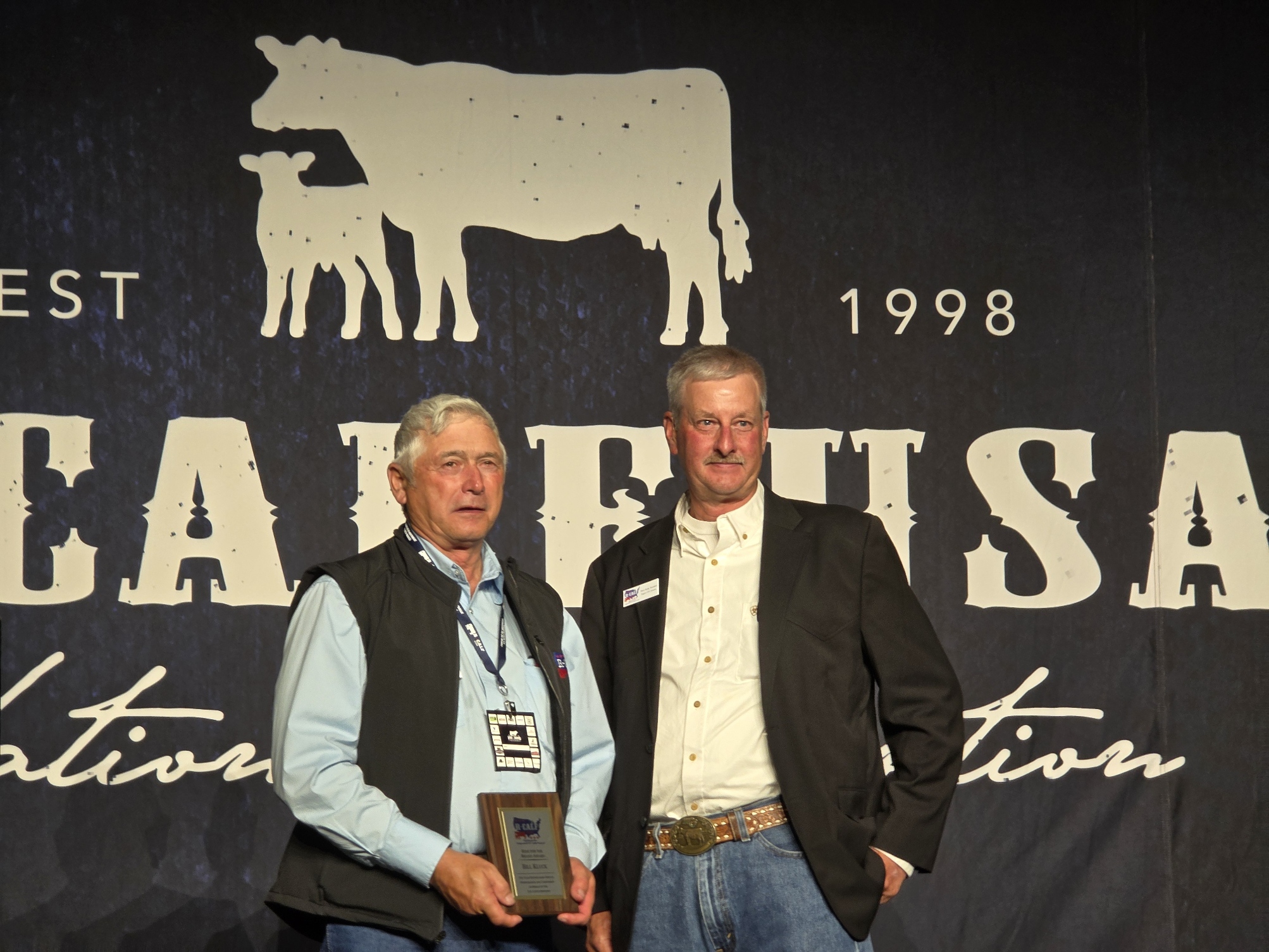
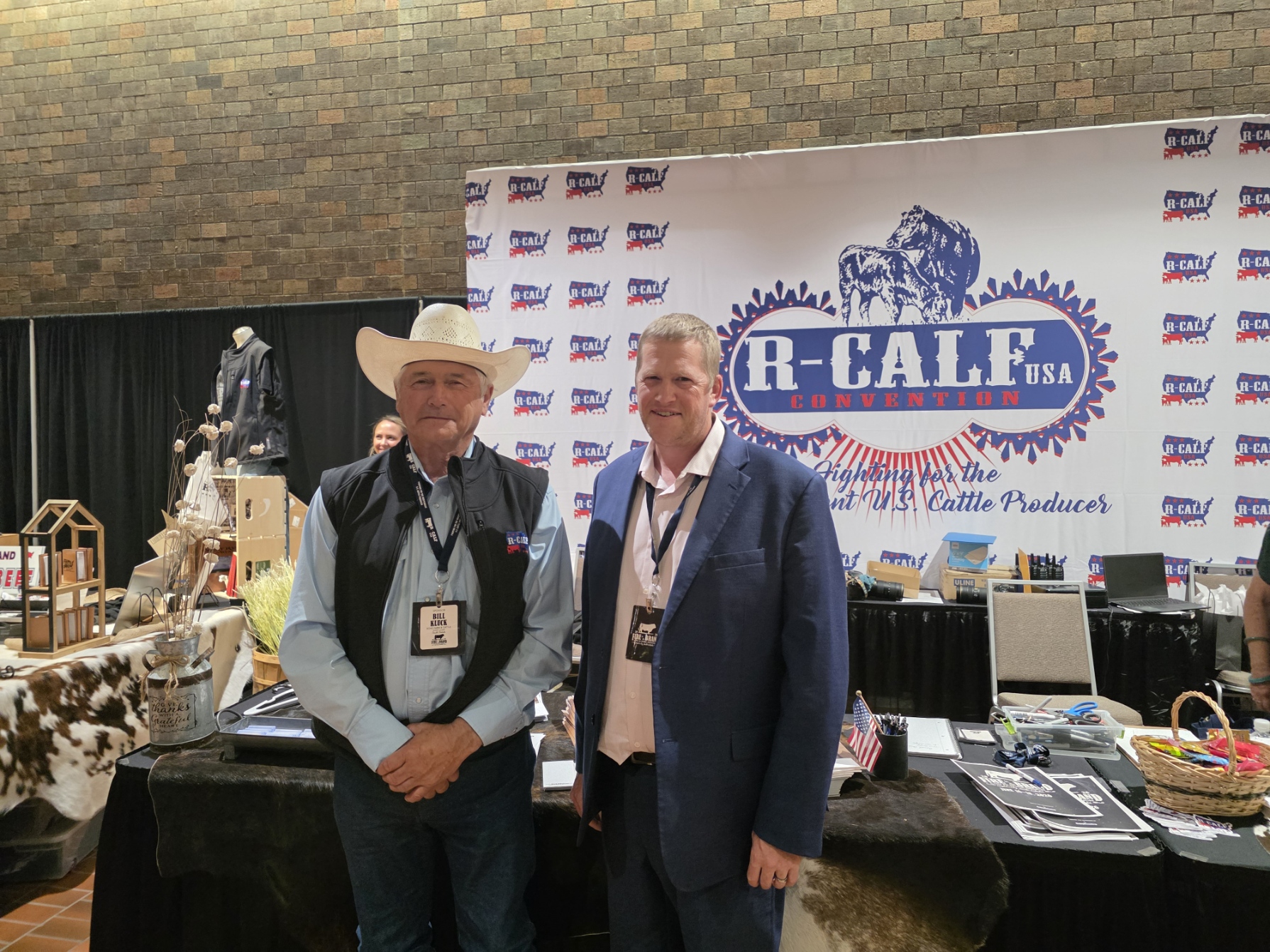
Finally, I was glad to celebrate Bill Kluck, who received R-CALF’s Riding for the Brand award. Bill is a wonderful supporter of faith, family, and freedom who has hosted Constitution classes – exactly the kind of citizen-leader this country runs on.
Why it matters
I am a pastor, and I have twice put my own name on a ballot – so I have seen this work from inside the arena as well as from the pew. The same God who calls me to shepherd a congregation calls every Christian to be a faithful steward of the freedoms we’ve been handed – to protect God-given rights, to make our voice heard in the halls of government, and to celebrate the good and ordinary way of life that He has given. The independent rancher’s fight is, at bottom, a fight about whether free people will continue to own their property, control their work, and govern themselves. That is worth showing up for.
If you take one thing from my three days in Rapid City, let it be this: you have been given a piece of ground. Cultivate it. Pray, share a resource, and bring one more person into the work this week. You cannot be cancelled across a kitchen table.
If you would like to learn more about how you can take action to protect our God-given rights, reach out to me or check out the John Birch Society.